 22.42°C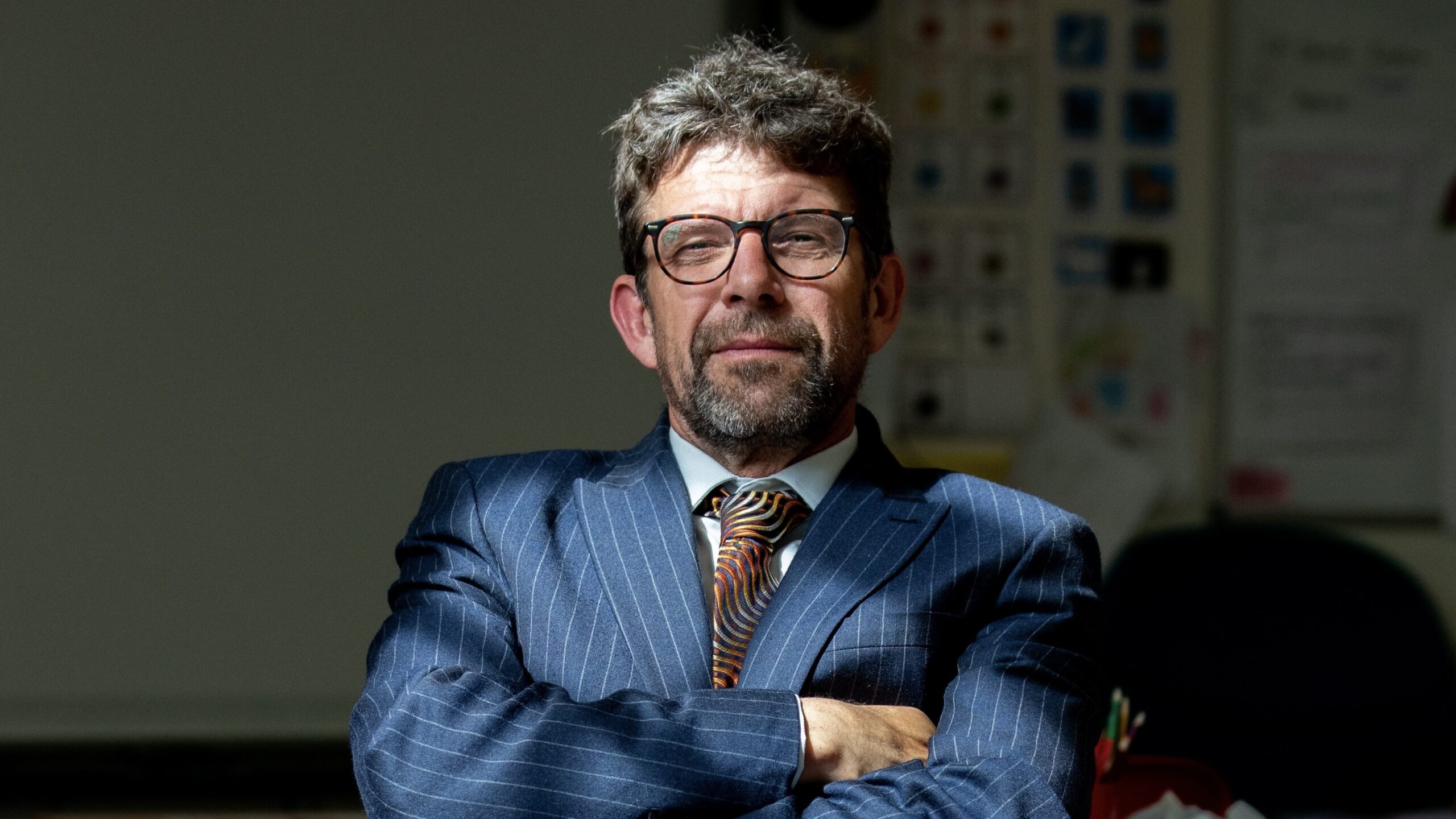
North Primary School has been part of Colchester life for more than 130 years.
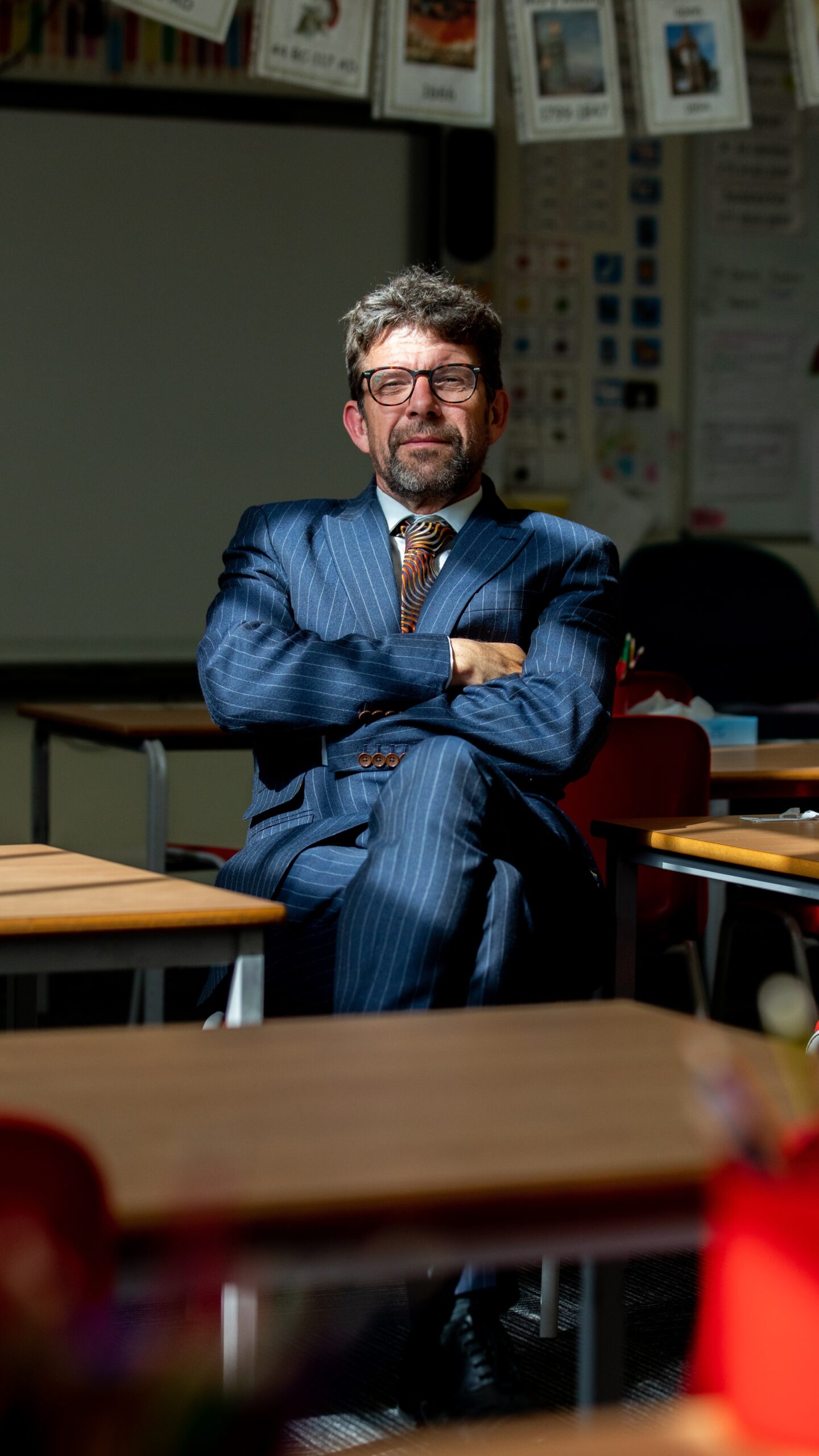
Generations of local children have passed through its doors, with many families maintaining connections to the school across decades. For the past 25 years, one constant through that continuing story has been Headteacher Alan Garnett.
I first became connected with North Primary & Nursery School as a parent, later serving on the governing body for eight years before stepping down earlier this year. During that time, I came to know Alan both professionally and personally, watching first-hand the energy, determination and community focus he has brought to the school over the past quarter century.
In many ways, he reminds me of another long-standing Colchester figure, Colchester Arts Centre Director Dr Anthony Roberts – someone driven less by convention or box-ticking and more by a strong sense of community, creativity and doing what they believe is right for the people they serve.
That independent streak appears throughout Alan’s reflections on North, particularly when discussing the pressures modern schools face, but so too does a deep affection for the school and the people connected to it.
But when he first stepped into the role in 2001, it was not the school’s history that struck him most strongly.
“The warmth of the children and their parents,” he says. “A boy called Damien gave me a good luck card when I went out into the playground on my first day. That set the tone.”
At the time, he says he had little sense of how important the heritage of North School would become during his years as Headteacher.
“You come into headship having earned your stripes in the classroom, so your career has been focused on teaching and learning,” he explains. “Suddenly, you have to start thinking about so many other things.
“It became apparent to me that I was the custodian of a building of huge historic significance. That mattered.
“But it is more than just bricks – even if every brick is listed – the building is steeped in the stories of children and staff.”
That connection between past and present is something Alan believes still defines the school today.
“It is simple: it is the commitment and connections,” he says.
“Teachers have dedicated their careers at North; families go back generations, and even though Colchester has seen so many changes, we still have children on roll who may be third or fourth-generation pupils.
“And families who have left Colchester and live abroad still return or keep in touch.”
North itself has seen enormous changes during Alan’s 25 years at the school. Buildings have expanded, classrooms have modernised, and education itself has changed dramatically.
But he says preserving the spirit of the school has always mattered just as much as physical development.
“Every time we were asked to expand the governors, and I made a pledge: that all change must also benefit the children currently in the school,” he says. “We fought hard to live up to that pledge. I think we have succeeded.”
He believes the continuity of staff has also played a major part in shaping the school’s identity.
“The stability of the staff. That continuity builds trust and confidence,” he says.
“In a busy, ever-changing world, we promote acceptance, celebrate difference to deepen understanding, and create community cohesion within our school grounds. We all work tirelessly for every child.”
Although education is often discussed in terms of targets, reforms and league tables, Alan repeatedly returns to the importance of people and relationships when talking about North.
Community, he says, remains central to the life of the school far beyond the classroom itself.
“With the leadership of our PTA – North School Association – we have a calendar of events for families to enjoy,” he says.
“Through our income-generating charity ‘Free For All’, we have been able to give children free school trips and music lessons. This benefits all families and certainly those who are struggling to manage.
“We also link with other organisations that can help support children and families.”
Among the many people who have shaped North over the years, Alan is keen to highlight the contributions of staff and supporters whose dedication often stretches across decades.
“I say that if you come to North, you have to make a difference,” he says. “And, goodness, do they. Every single day, year in, year out.”
He recalls one former staff member in particular.
“Jean Jeffers attended as a little girl when she was four. She worked here as a cleaner all her adult life, living at the end of the alleyway in a house on North Station Road.
“She moved to Blackheath in her 70s but got the bus across town to continue her cleaning duties every day until she was 80. Her photo is in pride of place beside John Harper in our entrance hall.”
Moments of celebration also remain among his strongest memories of the school.
Asked about milestones that stand out across his 25 years, he points to the school’s Easter Parade as one of the clearest examples of North’s sense of community.
“The children look amazing with their fabulous creations,” he says. “That assembly is such a joyous occasion, capturing perfectly the celebration of community.”
The school’s 125th anniversary celebrations in 2019 also reinforced how deeply North remains woven into Colchester life, with former pupils and staff reconnecting through reunions and events.
Alan reflects that when he first arrived in 2001, he imagined his own place in the school’s history rather differently.
“I joked when I arrived in 2001 that when I left North that John Harper Street (named after the school’s first Headteacher) would be re-named after me!”
“I did not anticipate still being at the school 25 years on, but I still have three years to go to overtake John Harper. If I do, I won’t take his name from the street. How about renaming Victoria Chase, Alan Garnett Avenue!” he adds with a smile.
Despite the pressures and constant reforms that have reshaped education during the past quarter century, Alan believes some things remain unchanged.
“Children need to feel safe and secure,” he says.
“They need to know that there are rules and routines and boundaries that protect their and every other child’s rights to learn, to feel safe and to feel respected. These principles are timeless.”
He is also candid about the pace of change within education itself.
“Politicians want to micromanage schools,” he says. “And politicians need results within the lifetime of their term of office.
“Real change takes longer. But then another government is formed with different ideas. And off we go again.
“All this change is exhausting, ineffective and expensive.”
Looking back across 25 years at North, however, he says what stands out most strongly is how the school community responded during difficult periods.
“How we came through some very tough times together,” he says. “Challenges and crises brought out the best in everyone, and we pulled together, most notably through Covid.”
Despite all the changes around it, the thread connecting generations of North families appears remarkably consistent: people return because the school still feels recognisably like North.
Asked what he hopes future generations remember about this period in the school’s history, Alan’s answer is characteristically straightforward.
“That we always strived to accentuate the positive,” he says. “That we wanted every child to work hard, play nicely and be kind one to another.”
And perhaps that enduring sense of continuity explains why so many former pupils and families continue returning to North, decade after decade.
“Because they come back and we are still here!”