 10.39°C
 Colchester has lost one of its quiet constants in Charles Debenham, the artist whose work captured the city for decades.
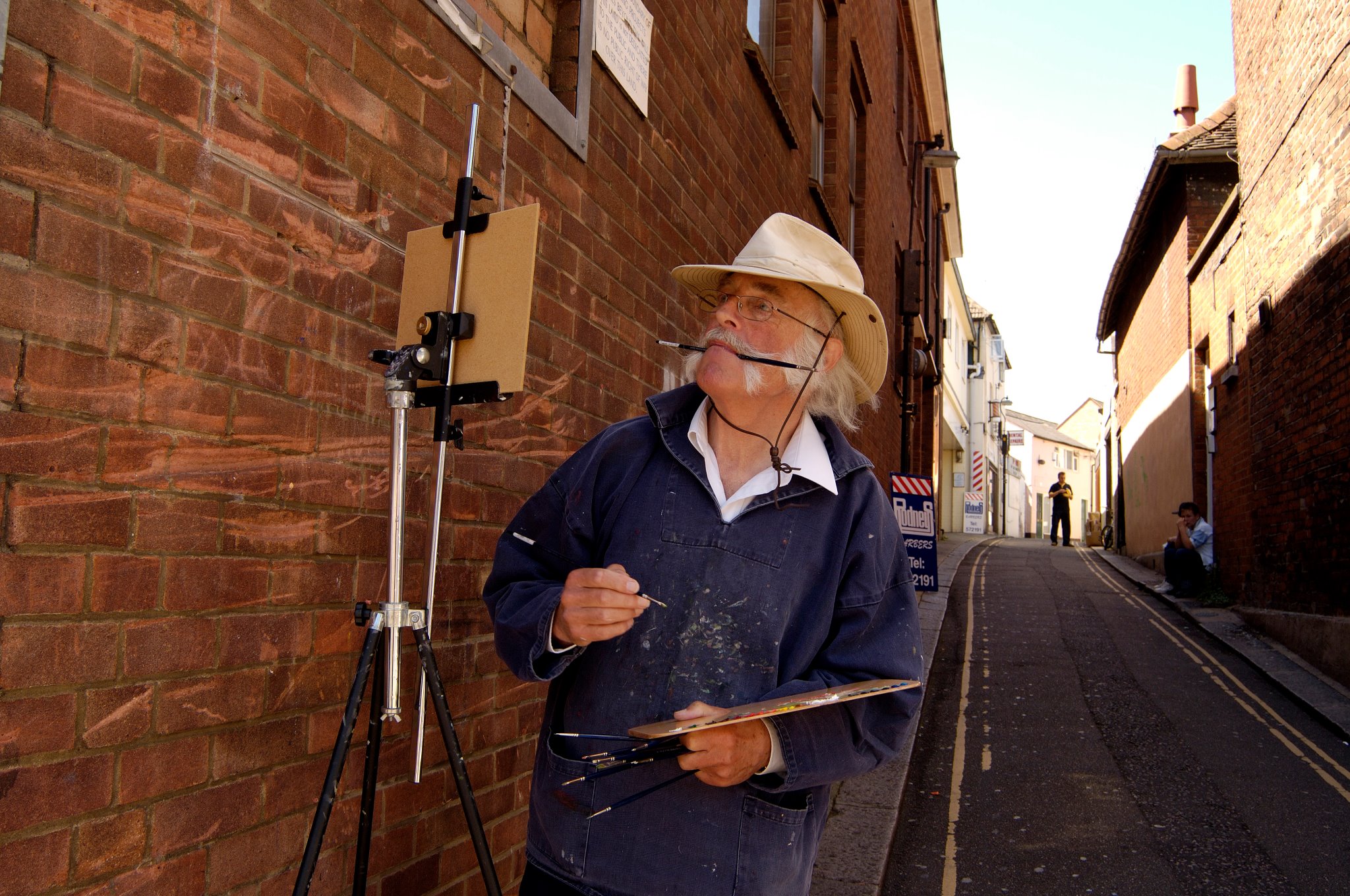
Charles Debenham, artist, designer and the man who was once asked, only half-jokingly, if he “painted all Colchester”, has died. His work – whether people knew his name or not – has long been part of its visual memory.
He started young. At 14, he was already going to evening classes at Colchester School of Art, later training there full-time as an illustrator. It was the beginning of a career that would take him far beyond Essex.
In the early 1960s, he was appointed to the Crown Agents’ list of designers, going on to work with major national organisations. He designed visitor and educational centres, exhibitions and large-scale public work – the kind of projects people move through without always noticing who shaped them.
At Earls Court, he created central features for both the London International Boat Show and the World Travel Market. For London Electricity, he designed costumes and floats for the Lord Mayor’s Show and Battersea Easter Parade. Later, he designed the Royal Wedding exhibition for Charles and Diana at St Paul’s Cathedral, and won top prize for his pavilion at the Cairo International Fair in 1976.
A life shaped by Colchester
And yet, for all of that, Colchester remained the thread running through it all.
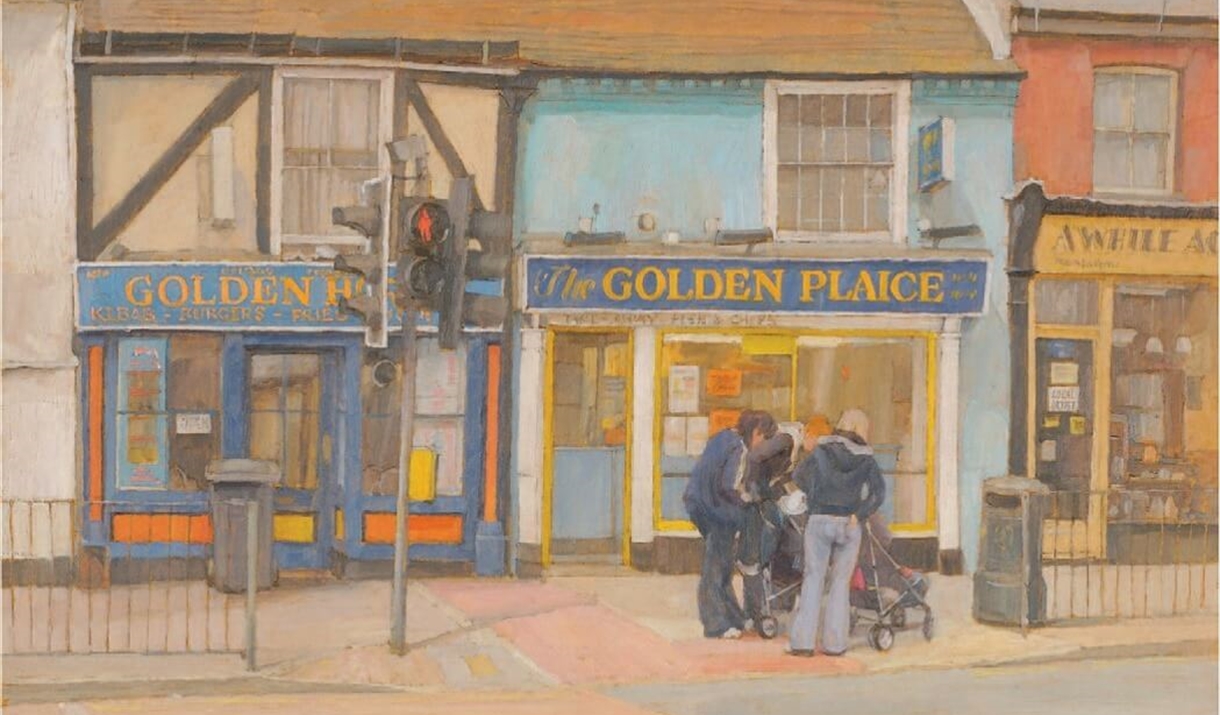
He was born here. Reinvented himself here. Returned to it, again and again, in sketches, paintings and observations that captured something more than just buildings. His work documented a place in flux – the slow retreat of the garrison identity, the spread of brick and retail, the changing faces of its streets.
For anyone familiar with Charles Debenham’s Colchester work, his style is instantly recognisable.
He wrote about Colchester with a mixture of affection, irritation and dry humour. When boarded-up windows became coffee shops. The arrival of tattooists and nail bars. The small, human encounters – people stopping to ask what he was painting, or assuming he was responsible for everything they could see.
There was no nostalgia in it, not really. More of a sense of watching, recording, and occasionally resisting.
He understood that places are layered. That what disappears is as important as what replaces it. That character is built as much from the odd, fleeting details as from anything permanent.
Even in later reflections, there is that same tone. A man sitting slightly to one side of things, sketching, observing, sometimes bemused by what Colchester was becoming, but never entirely detached from it.
For some, his name may not immediately register. But his work will.
In the buildings remembered, the streets reimagined, the sense of somewhere seen properly – not as a postcard, but as a place lived in.
Charles Debenham may not have painted all of Colchester. But he came closer than most.