
 8.18°C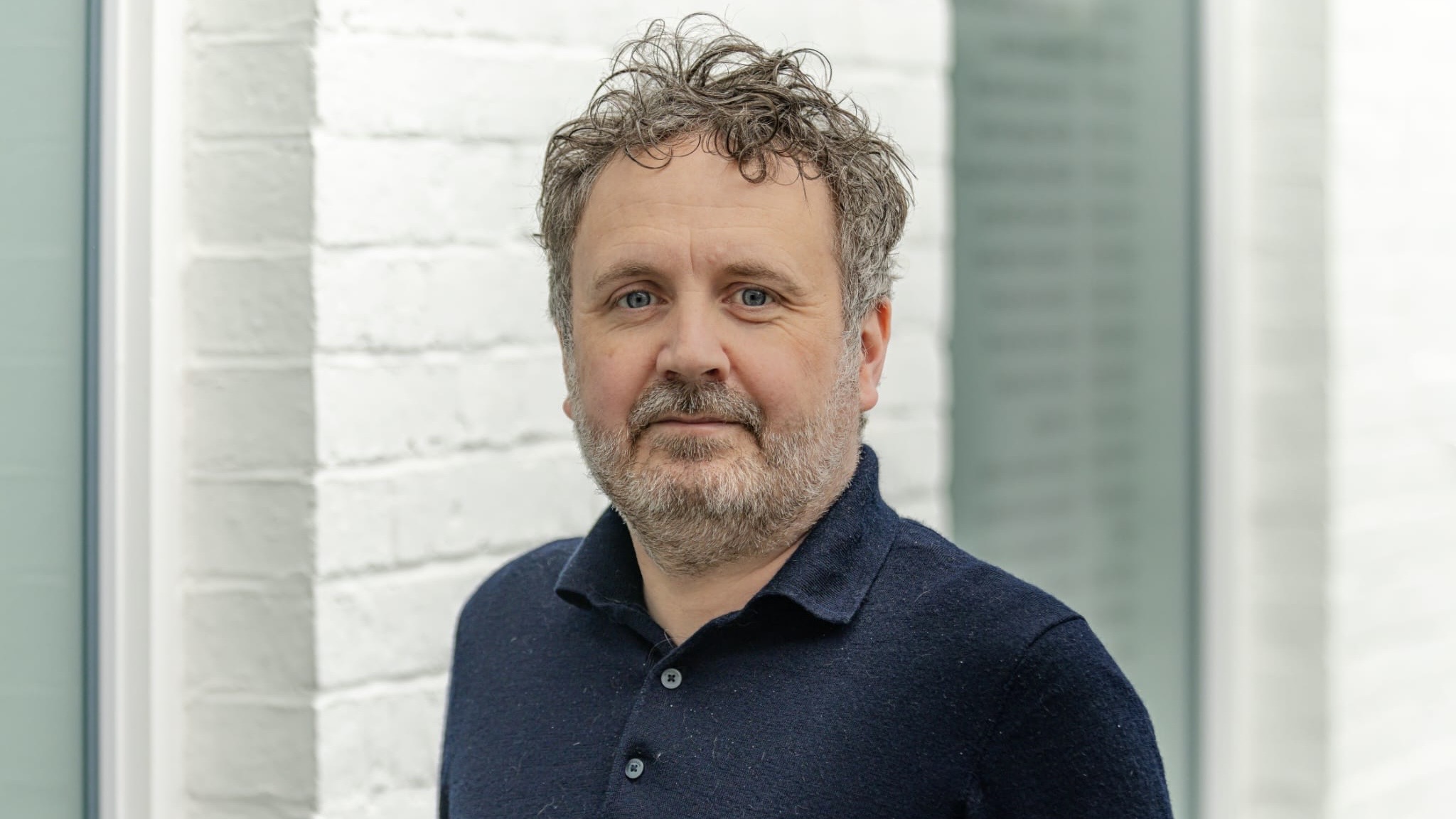
Made in Essex is currently inviting creatives across the county to contribute to Counting Culture, a campaign designed to help shape the future of the creative and cultural sector across Greater Essex as the region moves towards a new mayoral structure.
The project, developed by cultural leaders including Marc De’ath and Julia Payne, asks one central question: what does the creative sector need most to do more for Greater Essex, and why?
For Marc, the work builds on ideas that stretch back more than 15 years to his involvement in Colchester’s grassroots creative scene.
From co-founding the Creative Coop to setting up 15 Queen Street and The Waiting Room, those spaces became meeting points for musicians, artists, designers, filmmakers and creative freelancers. They were places where people could share ideas, collaborate and test new projects long before the city had the more established cultural infrastructure it enjoys today.
Marc was also involved in the Colchester Free Festival, working alongside me during a period when grassroots creativity was helping redefine what Colchester could be culturally.
We met at Firstsite to talk about Made in Essex, Counting Culture and how those early grassroots experiences helped shape the thinking behind the project.
“The early projects were all about supporting grassroots creativity,” Marc says. “They were spaces where people could meet, share ideas and try things out. That kind of environment can make a huge difference when you’re starting something new.”
Today, Marc works as Assistant Director for Culture, Leisure and Open Spaces at Chelmsford City Council, but the thinking behind his work has remained remarkably consistent.
“I’ve always maintained that local authorities should act as enablers and facilitators rather than ‘doers’ to communities,” he explains. “It’s about creating the conditions where residents, artists and organisations can shape the places they live. If you get that right, the culture that grows from it feels much more authentic.”
That thinking eventually fed into the creation of Made in Essex, an initiative connecting creative communities across the county.
The idea emerged when Marc and cultural leader Julia Payne became co-chairs representing Essex on the South East Creative Economy Network, a group bringing together cultural practitioners from across Essex, Kent and East Sussex to share ideas and represent the sector in wider conversations about policy and investment.
Working together in that role, Marc and Julia noticed a pattern. Essex already had strong creative communities developing in different places. Artists, venues and organisations were building their own networks within towns and cities. What was missing was the connection between those places.
“What we found was that there were fantastic creative communities across Essex,” Marc says. “Colchester has one. Chelmsford has one. Southend has one. But they weren’t really talking to each other.”
That observation led Marc and Julia to begin shaping what would become Made in Essex.
“Julia and I kept coming back to the same question,” Marc says. “How do we connect these brilliant local scenes so they can support each other and grow together?”
Many of those scenes had developed independently. Artists, musicians and creative businesses were building local audiences and networks, but district boundaries and funding structures often reinforced separation rather than collaboration.
Made in Essex began as a way to bridge those gaps.
“Rather than creating something completely new, the idea was to connect what was already there,” Marc explains. “Every town had its own networks, its own organisations and venues doing great work. What Made in Essex does is help those networks talk to each other.”
The initiative often describes itself as a “network of networks”.
Representatives from creative networks across Essex now meet regularly to share what is happening locally and explore common challenges. One theme that comes up repeatedly is sustainability.
Many creative networks are run by volunteers or supported through short-term project funding. That means they often operate from one project to the next with limited long-term security.
“They can sometimes feel like they’re held together by glue and string,” Marc says. “People are doing brilliant work, but often with very little resources behind them.”
Yet when those networks are properly supported, the impact can be significant. They become hubs connecting freelancers, venues, audiences and organisations, helping people discover opportunities, collaborate and develop creative careers.
“If you’re a freelancer working on your own, it can feel like you’re out there by yourself,” Marc says. “But when you’re connected to a wider network, you can collaborate, share ideas and support each other. You realise you’re part of something bigger.”
Made in Essex is currently exploring research with Arts Council England into sustainable operating models for creative networks, looking at how they might move beyond short-term funding cycles and become stable parts of local cultural infrastructure.
The network has also helped connect organisations in Essex with national opportunities.
When Arts Council England launched its Grassroots Music Fund, Made in Essex worked with the organisation to host sessions across the county explaining how the fund worked and encouraging venues, festivals and rehearsal spaces to apply.
“Sometimes the biggest barrier is simply knowing that an opportunity exists,” Marc says. “If we can help share that information and connect people to it, suddenly more organisations are able to benefit.”
For Marc, the real value of networks like Made in Essex comes down to people.
Much of the creative economy is powered by individuals working independently. Freelance musicians, designers, photographers, event organisers and promoters often build careers through small teams or solo work.
“When you bring creatives together, things start happening that wouldn’t have happened otherwise,” Marc says. “People meet collaborators, share skills and suddenly projects that felt impossible start to take shape.”
That sense of connection has shaped the next stage of Made in Essex’s work.
The organisation is now leading Counting Culture, a campaign designed to highlight the value of the creative and cultural sector across Greater Essex as the region moves towards a new system of regional leadership.
Greater Essex is entering a period of significant change. With devolution and the introduction of a mayoral structure, decisions about regional strategy and investment will increasingly be made closer to home.
Counting Culture aims to ensure culture is part of those conversations.
“The creative sector contributes far more than people sometimes realise,” Marc says. “It drives tourism, supports local economies and helps shape the identity of our towns and cities.”
Restaurants, shops and local businesses benefit when people travel to attend gigs, exhibitions, theatre performances or festivals.
“Sometimes people in the creative sector feel like they’re constantly asking for support,” he adds. “But the reality is that culture already delivers huge value to our communities and our economies.”
Counting Culture has two main strands.
The first, known as The Case, gathers existing research showing the impact of culture across the region, from economic activity and tourism to wellbeing, education and skills development.
The second focuses on advocacy.
Creative workers across Greater Essex are being asked a simple question: what does the creative sector need most to do more for Greater Essex?
The responses will help shape a shared statement that can be presented to decision-makers, including the future Mayor of Greater Essex, ensuring the sector’s needs and ambitions are part of regional conversations.
“We want to hear from the people actually doing the work,” Marc says. “Artists, freelancers, venue managers, technicians, organisers, anyone contributing to the creative life of Essex.”
Submissions do not have to follow a rigid format. People can respond in writing, but they can also contribute creatively through poetry, music or visual work.
“We didn’t want to limit it to a traditional survey,” Marc explains. “Creative people communicate in creative ways, so we wanted to leave that door open.”
Colchester provides a good example of what can happen when grassroots creativity connects. Over the past decade, the city has seen independent venues, festivals, artists and community projects gradually build a stronger cultural identity, often through collaboration and shared ideas.
“What we’re really trying to do is make sure the creative community across Essex is heard,” Marc says. “There’s so much happening across the county, but if those voices stay fragmented, they’re easy to overlook.”
The more people who contribute, the stronger that collective voice becomes.
“If we can bring those voices together,” Marc says, “it becomes much harder to ignore the role culture plays in shaping places and communities.”
If you work in the creative and cultural sector across Essex, Counting Culture is inviting you to contribute.
Whether you have one idea or several, the campaign is asking creatives what the sector needs most to do more for Greater Essex and support future opportunities, careers, and creative communities across the region.
Responses can take any form, from written ideas and bullet points to videos, artwork, music or poetry.
You can find out more and take part via the link below, ahead of the deadline on 24th May 2026: https://madeinessex.org.uk/take-part
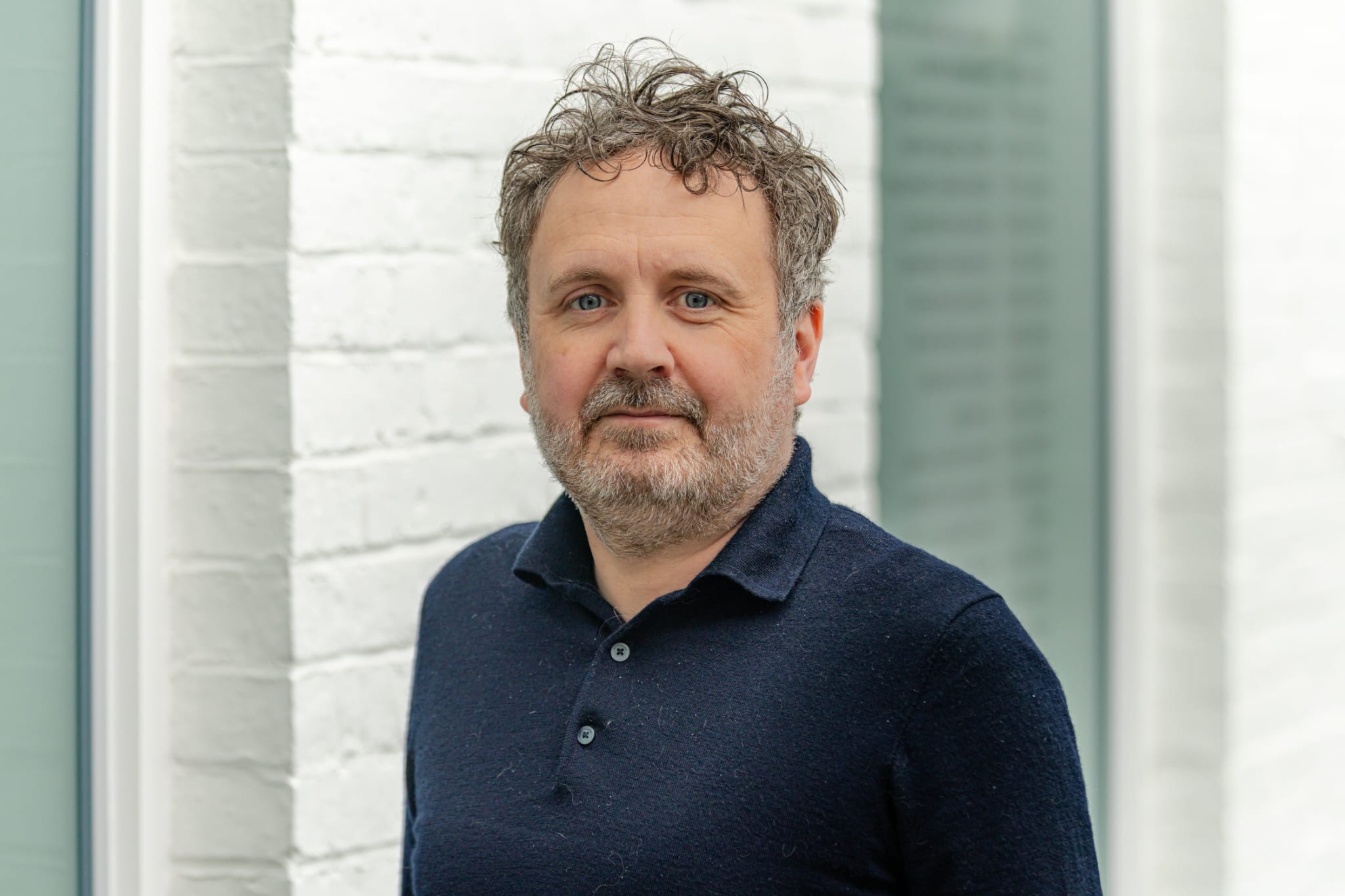
Pictured: Marc De’ath
